Share This Article
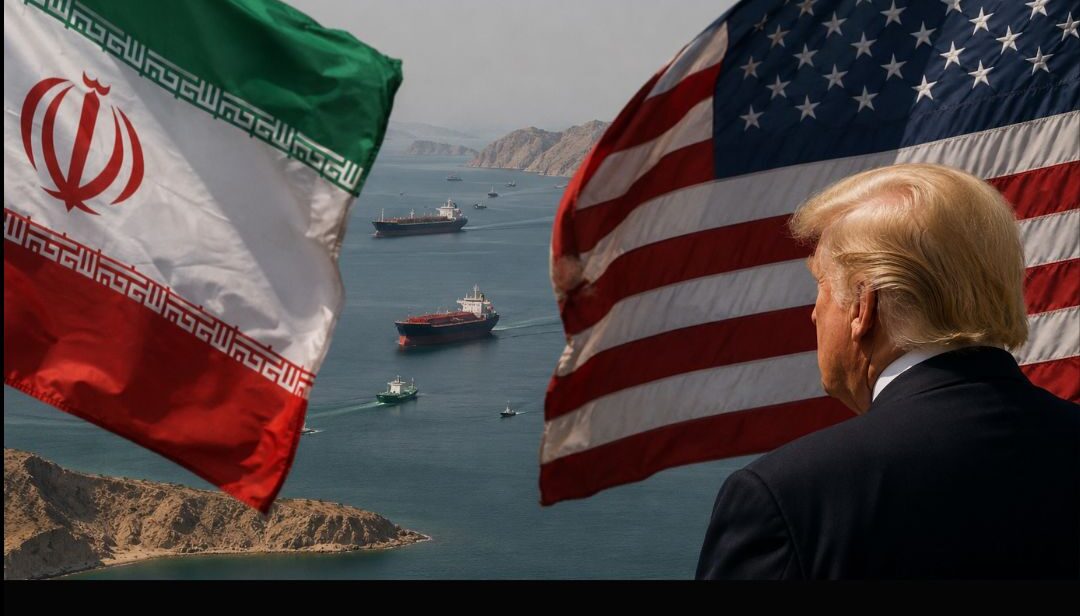
While the world watches missile trajectories and oil price tickers, a different kind of operation is quietly taking shape inside the West Wing. Sources familiar with internal White House deliberations describe a classified strategic framework internally code-named “Project Freedom“ designed not to escalate the US-Iran standoff, but to surgically neutralize Iran’s ability to hold the Strait of Hormuz hostage to global energy markets.
It is, by all accounts, the most ambitious American geopolitical maneuver since the Gulf War. And if it works, it could permanently reshape the balance of power in the Persian Gulf.
What Is Project Freedom?
Trump’s administration has spent the last several weeks building a multi-layered operational blueprint that combines naval force, economic pressure, cyber warfare, and a coalition diplomatic offensive all aimed at a single strategic objective: guaranteeing the free flow of oil through the Strait of Hormuz, regardless of Iranian military posturing.
The plan reportedly operates on three simultaneous tracks:
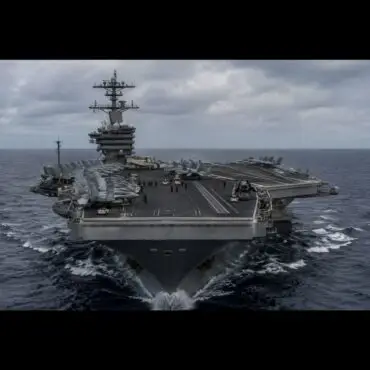
Track 1 — Naval Dominance: The US Navy has quietly repositioned three carrier strike groups within rapid-response distance of the strait. The USS Gerald R. Ford, USS Harry S. Truman, and USS Theodore Roosevelt form a triangle of firepower unprecedented in the region since Operation Desert Storm. Mine-clearing vessels and submarine hunter assets have been pre-deployed to the Gulf of Oman. The message to Tehran is unambiguous: the strait stays open.
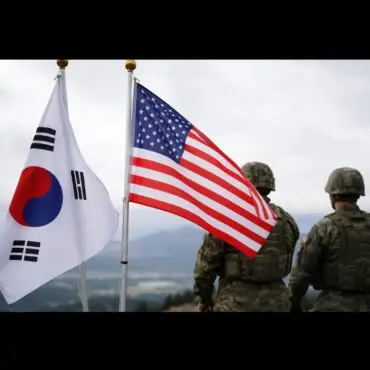
Track 2 — Economic Severance: Treasury Department officials have drafted what insiders describe as “maximum pressure 2.0” — a sanctions package targeting every financial institution, shipping company, and energy intermediary still facilitating Iranian crude exports. Unlike the first-term maximum pressure campaign, this iteration is coordinated in advance with the EU, Japan, South Korea, and India to prevent workaround channels.
Track 3 — Cyber and Electronic Warfare: The least publicly discussed element involves US Cyber Command operations targeting Iran’s coastal radar networks, missile guidance infrastructure, and naval communications systems along the Hormuz corridor. Officials familiar with the program declined to confirm specifics, but noted that Iran’s ability to “see and shoot” in the strait has been “significantly degraded” in recent weeks.
Why the Strait of Hormuz Is the Prize
The Strait of Hormuz is not just a shipping lane it is the jugular vein of the global economy. At its narrowest point, it measures just 21 miles wide, with only two navigable shipping channels of approximately two miles each. Every day, tankers carrying oil destined for Europe, Asia, and beyond pass through this bottleneck.
Iran has used the threat of Hormuz closure as its most powerful deterrent card for over four decades. In 2019, Iranian forces seized British-flagged tankers and attacked Saudi oil infrastructure, briefly pushing Brent crude past $71. The current crisis dwarfs that episode in scale and stakes.
Project Freedom is specifically designed to call that bluff and retire it permanently.
“What the Trump team appears to be building is not a war plan but a deterrence architecture one that makes Hormuz closure strategically irrational for Iran rather than just militarily costly,” said Richard Haass, former president of the Council on Foreign Relations. Read the full CFR brief →
The US-Iran Calculation
Trump’s approach to US-Iran relations has always been transactional rather than ideological. Senior officials have signaled through back-channel Omani intermediaries that the United States is prepared to offer Iran a structured sanctions relief package but only in exchange for a verifiable, permanent military pullback from Hormuz-adjacent positions and a freeze on uranium enrichment above 20%.
Tehran has not publicly responded. But Iranian foreign ministry officials have notably avoided escalatory rhetoric in the 48 hours since Project Freedom’s broad contours were first reported by The Wall Street Journal, suggesting internal deliberation is underway.
The window for a diplomatic off-ramp is narrow. Pentagon planners have briefed the National Security Council that any Iranian attempt to physically mine or block Hormuz shipping lanes would trigger an immediate kinetic response under existing rules of engagement — no further presidential authorization required.
Global Stakes: Oil, Alliances, and the New World Order
The economic implications of a Hormuz shutdown extend far beyond oil prices. Japan imports approximately 90% of its energy through the strait. South Korea and India are similarly exposed. China, which receives nearly 40% of its crude oil via Hormuz, faces an acute dilemma it cannot afford closure, yet openly supporting US military operations against Iran contradicts its broader geopolitical positioning.
This complexity is precisely what Project Freedom exploits. By framing the operation as a defense of global shipping freedom rather than an anti-Iran military campaign, the Trump administration is attempting to build the broadest possible coalition including, tacitly, Beijing.
“Energy security is the one issue where Chinese and American interests structurally align. If Trump can exploit that, Project Freedom becomes considerably more powerful than its military components alone,” noted Dr. Meghan O’Sullivan, director of the Geopolitics of Energy Project at Harvard Kennedy School. Harvard Kennedy School Energy Research →
What Happens Next
The coming week is pivotal. If Iran stands down and engages Omani-mediated talks, Project Freedom achieves its goal without firing a shot a significant diplomatic win for Trump heading into the next phase of Gulf negotiations. If Iran escalates further, the operational machinery is already in place for a rapid, targeted US military response focused on degrading Iran’s Hormuz-area capabilities.
Either way, the Strait of Hormuz will never look the same again.

Oil & Energy Markets
A look at crude price swings, OPEC supply moves, and how energy markets react to geopolitical shocks.

Geopolitics & Conflict
Breaking down how wars, ceasefires, and diplomatic deals ripple through global trade and security.
US Foreign Policy
Coverage of Trump administration negotiations, sanctions, and strategic decisions shaping world events.
Economy & Inflation
Tracking how commodity prices, gas costs, and supply chains affect everyday consumers.