Share This Article
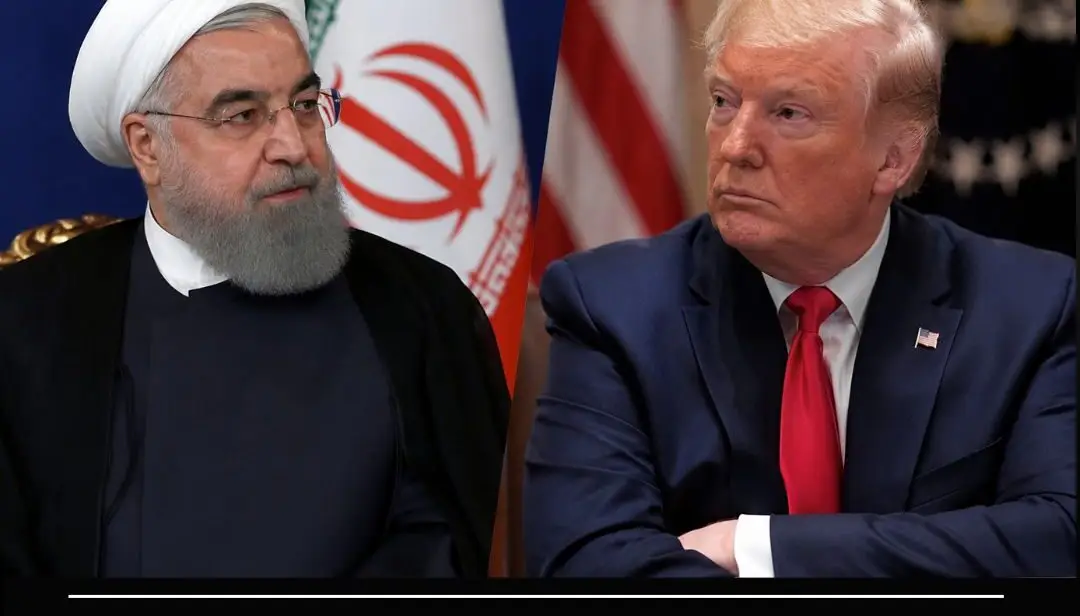
On May 30, 2026, Iranian President Masoud Pezeshkian picked up the phone and called the Emir of Qatar. The conversation, relayed through official Iranian channels and confirmed by Press TV, carried a message Tehran wanted the region and Washington to hear clearly: Iran is ready to achieve a “dignified framework” to end the war and tensions across the Middle East.
The statement is the most direct signal yet from Iran’s presidency that a negotiated resolution is politically acceptable inside Tehran not merely tactically convenient. But the word “dignified” is doing significant work in that sentence. It is not diplomatic filler. It is a precise formulation that encodes Iran’s core conditions, its domestic political constraints, and its insistence that any deal preserve the appearance, if not the full reality, of Iranian sovereignty and regional standing.
What “Dignified” Means in Tehran’s Language
In Iranian diplomatic usage, “dignified” has a specific meaning shaped by decades of confrontation with the United States. It signals that Iran will not accept terms that read domestically as capitulation terms that could be portrayed by hardliners and the Islamic Revolutionary Guard Corps as surrender under military pressure. The Islamic Republic’s legitimacy, already tested by the death of Supreme Leader Ali Khamenei in the opening days of the conflict, depends on its ability to present any agreement as a mutual accommodation between equals rather than a defeat.
Pezeshkian’s framing makes this explicit. “Now is the time for the other side to demonstrate its will and, in both action and word, adhere to its international obligations,” he said a formulation that places the burden of next steps squarely on Washington rather than Tehran. The language of “serious efforts at the expert level to finalize documents and texts in order to prepare a clear path toward stability” signals engagement without concession, progress without vulnerability.
Middle East Eye reported that the statement was coordinated with Qatar, which has served as a key back-channel between the two sides throughout the US-Iran war. Qatar’s Emir is not a passive recipient of Iranian messaging he is an active mediator whose relationship with both Washington and Tehran makes him one of the few figures capable of bridging the remaining gaps.
Iran’s 14 Demands
Behind Pezeshkian’s carefully worded signal lies a 14-point draft agreement that NPR reported Iran submitted in early May as its formal response to a US framework proposal. The document reveals the full scope of what Tehran means by “dignified.”
Iran demands the release of $24 billion in frozen overseas assets, with half disbursed at the moment of signing. It insists on a termination of hostilities on all “regional fronts” specifically including the Israeli military offensive against Hezbollah in Lebanon a condition that effectively requires Washington to deliver Israeli restraint as part of any Iran deal. It disputes US claims regarding enrichment levels and the fate of its uranium stockpile, maintaining that civilian nuclear activity is a sovereign right not subject to unilateral American demands. And it has not agreed to any binding constraints on its ballistic missile program.
The Soufan Center analysis noted that the US-Iran framework emerging from negotiations is structured around a 60-day memorandum of understanding a ceasefire extension with Hormuz reopened, mines cleared, Iranian oil sales permitted, and nuclear talks launched during the window. That framework defers rather than resolves the nuclear question, which is precisely what Iran prefers and precisely what Republican hawks in Washington fear.
The Domestic Calculation in Tehran
Pezeshkian’s signal carries a political risk inside Iran that is easy to underestimate from the outside. The president governs in a system where the Revolutionary Guards retain significant autonomous power, where hardliners have used past nuclear negotiations to undercut moderate leadership, and where any agreement that touches Iran’s nuclear or missile programs will be scrutinized for signs of weakness.
Press TV reported that Pezeshkian simultaneously reaffirmed Iran’s “commitment to Muslim unity” as the war continues a reminder that the domestic messaging around any deal must frame it as a victory for resistance, not a concession to American military pressure. The “dignified framework” formulation serves that purpose: it allows Pezeshkian to pursue a deal while maintaining the rhetorical posture that Iran negotiated from a position of principle rather than defeat.
Trump’s Position Remains the Decisive Variable
While Pezeshkian’s signal is meaningful, the immediate bottleneck in the negotiations is not Tehran it is Washington. Axios reported that US and Iranian negotiators have already reached tentative agreement on the 60-day MOU framework, but President Trump has not yet signed off. Vice President Vance described the timeline as “still TBD” on May 29. Pakistan Today reported that Trump is holding firm on nuclear red lines even as the deal stalls.
The gap between Pezeshkian’s “dignified framework” and Trump’s demand for permanent Iranian nuclear disarmament remains the fundamental obstacle the 60-day MOU is designed to paper over rather than resolve. What the two leaders have managed through Qatar, Oman, and Pakistani mediation is an agreement on the shape of an agreement. The substance of that agreement, on the questions that actually matter for regional security, is being deferred into a negotiating window that has yet to begin.
Iran is ready for a dignified framework. Whether Washington can sign one without calling it a deferral is the question that Trump has not yet answered.

Oil & Energy Markets
A look at crude price swings, OPEC supply moves, and how energy markets react to geopolitical shocks.

Geopolitics & Conflict
Breaking down how wars, ceasefires, and diplomatic deals ripple through global trade and security.
US Foreign Policy
Coverage of Trump administration negotiations, sanctions, and strategic decisions shaping world events.
Economy & Inflation
Tracking how commodity prices, gas costs, and supply chains affect everyday consumers.