Share This Article
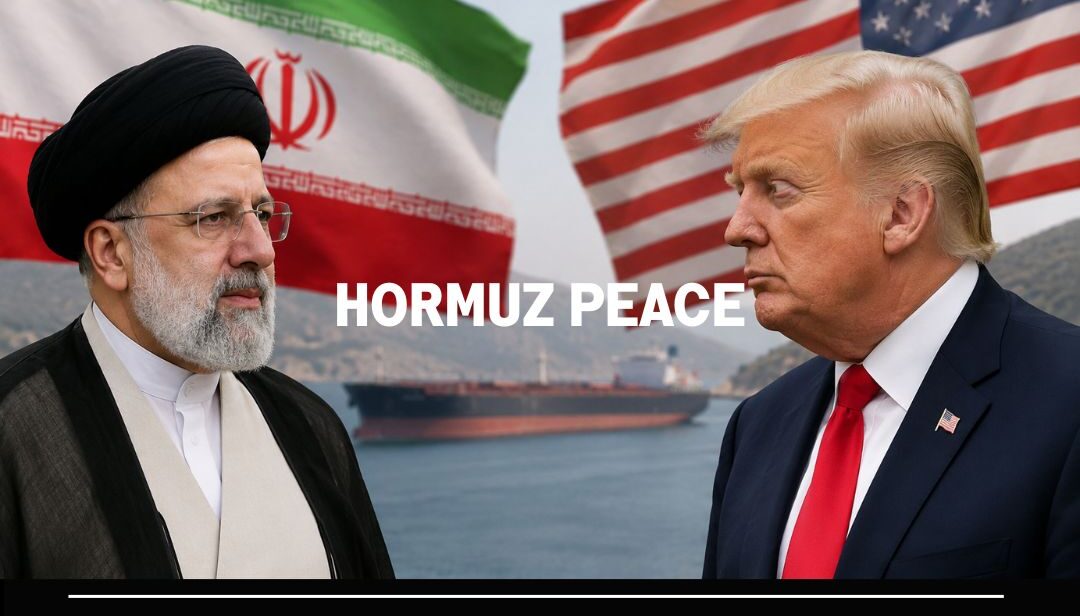
When the Strait of Hormuz closed on March 4, 2026, India felt the impact within days. Over 40 percent of India’s crude oil imports transit that narrow waterway, and within weeks of the blockade, refiners were scrambling for alternative supply routes, fuel prices were climbing, and the rupee had slid to an all-time low against the US dollar. A resolution to the US-Iran conflict and with it, a reopening of the Strait of Hormuz would be genuinely welcomed in New Delhi. But analysts and policymakers warn that the relief would be real yet partial. India’s economic stress runs deeper than oil prices alone.
The Hormuz Dependency Is Real
India is the world’s third-largest oil consumer and imports roughly 85 percent of its crude requirements. The Hormuz blockade effectively shut off a critical artery overnight. According to OilPrice.com, India’s oil crisis deepened sharply through March and April as tanker operators refused to enter the Persian Gulf due to escalating US-Iran hostilities. Brent crude surged past $100 a barrel in the weeks following the initial US strikes on Iranian missile sites, compounding the damage.
New Delhi responded by resuming crude oil imports from Iran directly reversing a seven-year pause triggered by US sanctions and dispatching tankers through alternative routes at significantly higher freight cost. Bloomberg reported that India was prepared to send oil tankers directly through the Strait of Hormuz even as fighting continued, reflecting the desperation of India’s supply situation. But workarounds have limits, and they come at a price that India’s import bill cannot absorb indefinitely.
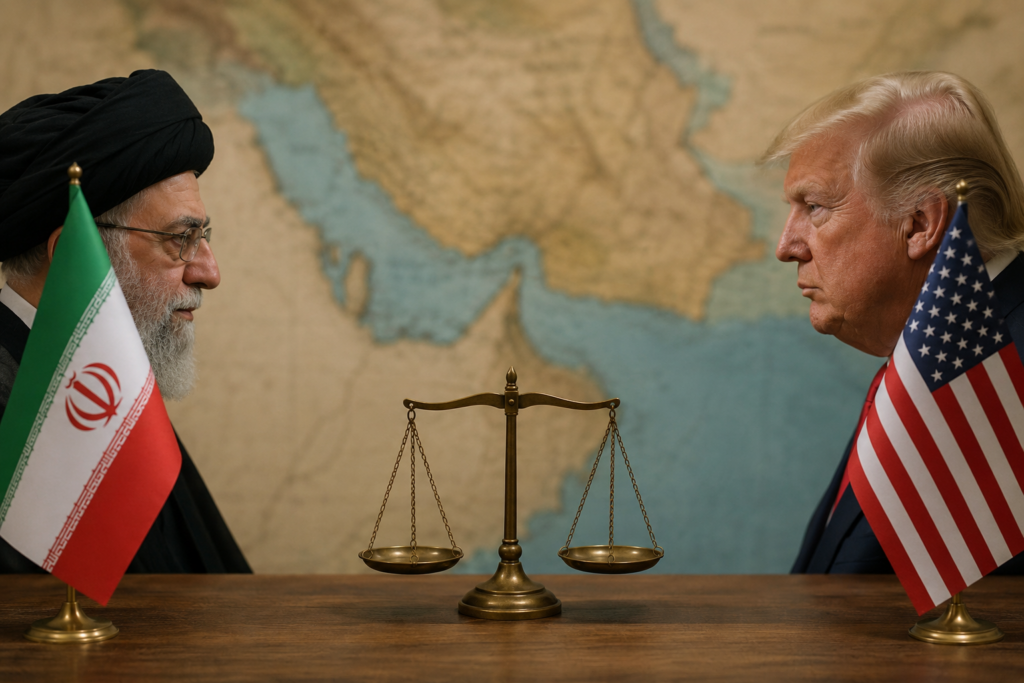
A deal that reopens Hormuz would immediately reduce freight premiums, ease refinery input costs, and lower retail fuel prices for Indian consumers. That matters. India’s inflation has been accelerating since March, with the Reserve Bank of India governor publicly warning of potential monetary policy intervention if energy-driven price pressures persist. A peace deal that stabilizes oil at or below $90 a barrel would give the RBI room it currently does not have.
But Oil Is Only Part of the Problem
Here is where the optimism gets complicated. The IMF cut its global growth forecast during the Hormuz blockade, and India was not spared. India’s GDP growth forecast for FY2026/27 has slowed to 6.7 percent from 7.7 percent projected just a year ago and oil prices are only partially responsible for that downgrade.
Foreign investors pulled more than $20 billion out of Indian equities in the first four months of 2026, according to market data compiled by Business Standard. That capital flight predates the Hormuz crisis and reflects broader concerns: India’s corporate earnings have disappointed, its technology sector has underperformed global peers, and the country’s infrastructure in artificial intelligence and advanced manufacturing lags behind competitors in East Asia. As Business Standard noted in a widely-cited analysis, an Iran deal “may ease oil stress, but won’t plug India’s capital or AI gaps.”
The rupee’s weakness compounds this. A currency at all-time lows against the dollar increases the cost of every import India makes not just oil, but semiconductors, defense equipment, and industrial machinery. Reopening Hormuz would ease the oil-specific pressure on the rupee, but the structural current account deficit that has driven the currency lower for years will not disappear with a ceasefire in the Persian Gulf.
Geopolitical Position: Cautious Welcome
India’s official position on the US-Iran conflict has been carefully managed. New Delhi has avoided explicit condemnation of either side, maintained diplomatic contact with Tehran while deepening the Quad alliance with Washington, and continued purchasing Russian crude at discounted rates to offset Hormuz-related supply disruption. That balancing act has served India’s immediate energy interests, but it also reflects a broader strategic reality: India does not want to be caught in a binary US-Iran alignment.
A peace deal brokered with Pakistan’s mediation and China’s quiet encouragement as current diplomatic reporting suggests is the framework under negotiation would not necessarily align with India’s regional interests. A strengthened Pakistan-China axis emerging from the Iran mediation process is not the geopolitical outcome New Delhi would choose, even if it comes packaged with lower oil prices.
What India Actually Needs
Indian economists are blunt about what the country requires beyond an Iran deal. Sustained foreign direct investment in manufacturing, a credible rupee stabilization policy, accelerated domestic energy infrastructure, and progress on the US-India trade deal currently under negotiation in Delhi these are the levers that will determine India’s medium-term economic trajectory. A Hormuz reopening helps at the margin, and in the short term it helps significantly. But it is not a substitute for structural reform.
India will welcome an Iran deal. It will welcome the Hormuz reopening with genuine relief. What it will not do is mistake that relief for a solution to problems that predate the war and will outlast the ceasefire.

Oil & Energy Markets
A look at crude price swings, OPEC supply moves, and how energy markets react to geopolitical shocks.

Geopolitics & Conflict
Breaking down how wars, ceasefires, and diplomatic deals ripple through global trade and security.
US Foreign Policy
Coverage of Trump administration negotiations, sanctions, and strategic decisions shaping world events.
Economy & Inflation
Tracking how commodity prices, gas costs, and supply chains affect everyday consumers.