Share This Article
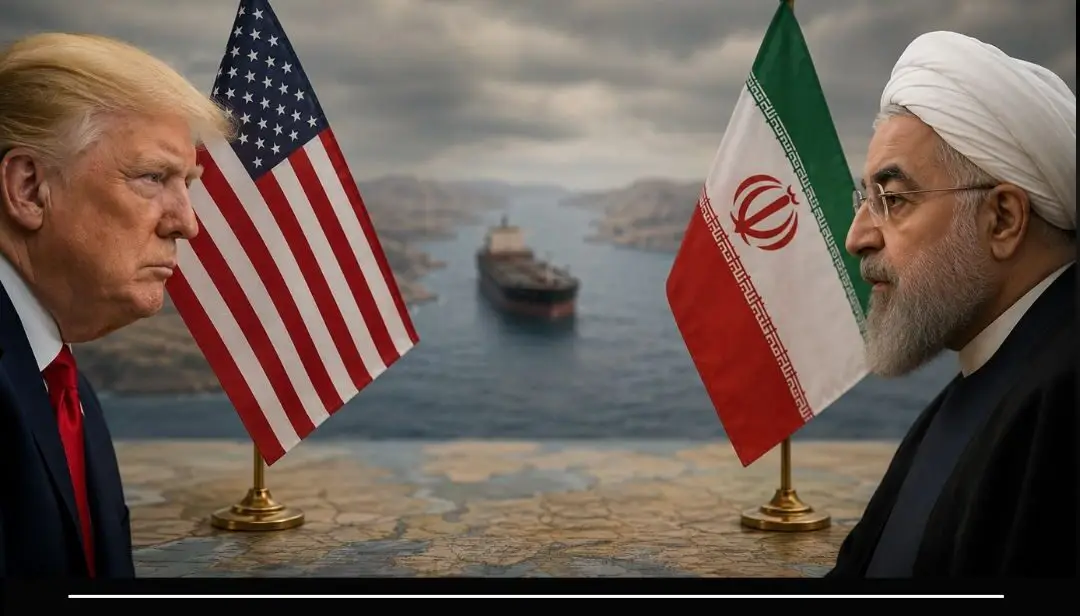
Three months after US strikes on Iranian missile sites triggered the most serious military confrontation between Washington and Tehran in modern history, negotiators on both sides say a deal is close. But close is not done. As of late May 2026, five fundamental disputes continue to block a comprehensive agreement and each one carries enough weight to collapse the entire framework if left unresolved.
Here is where the talks actually stand, and what is still holding them up.
1. Uranium Enrichment: The Hardest Line
This is the obstacle Trump himself has identified as the central problem. In a statement last week, the President said that “most points were agreed to, but the only point that really mattered nuclear was not,” describing Iran as “unyielding” on the issue.
The US position is unambiguous: Iran must permanently surrender its highly enriched uranium stockpile and dismantle its key nuclear facilities, including the underground enrichment sites at Natanz, Fordow, and Isfahan. Tehran’s position is equally firm in the opposite direction. Iranian officials have disputed that the nuclear file is even part of the preliminary agreement framework currently on the table, insisting the question of enrichment is a sovereign matter to be addressed in separate, longer-term negotiations not as a precondition for a ceasefire.
Bloomberg reported that sanctions relief would NOT be linked to uranium surrender in the current draft a major concession the hawks in both Washington and Tel Aviv are fighting to reverse.
2. Control of the Strait of Hormuz
The Strait of Hormuz closure in effect since March 4, 2026 is the economic core of the entire conflict. Roughly 20 percent of global oil supply transits the strait daily, and its continued blockade has pushed Brent crude above $99 a barrel and disrupted energy flows from Asia to Europe.
The current proposal on the table would open the strait for 60 days with no shipping tolls, with Iran agreeing to clear the mines it deployed in the waterway. But Iran’s Foreign Ministry spokesman Baghaei stated publicly that any mechanism governing Hormuz passage must be agreed between Iran, Oman, and the countries that border the waterway — and that the United States “has nothing to do” with it.
That framing is a direct challenge to Washington’s demand for a formal, US-backed framework governing the strait’s operation. Secretary of State Marco Rubio has previously called Iranian toll proposals “not acceptable.” The gap between a 60-day technical reopening and a durable, enforceable Hormuz governance framework remains wide.
3. Frozen Assets and Sanctions Relief
Iran is demanding the release of approximately $24 billion in frozen assets, requesting that half be disbursed upon signing any agreement. Beyond the immediate assets, Tehran is also seeking broader lifting of sanctions and access to tens of billions in Iranian oil revenues currently frozen in foreign banks.
Washington’s position has been that sanctions relief must be tied to verifiable, irreversible steps on the nuclear file — a linkage Iran rejects. Axios reported that the current draft decouples these two issues entirely, which has alarmed Republican hawks who see it as giving Iran financial relief without extracting the core security concession.
4. Regional Proxy Networks and Lebanon
Trump stated in April that Iran “must” stop funding Hezbollah in Lebanon for any deal to be reached. Iran has not agreed to that condition. Tehran insists that any peace framework must include a halt to fighting on all fronts — including the ongoing Israel-Hezbollah conflict in Lebanon — effectively demanding that Washington deliver Israeli restraint as part of the package.
That is a concession Washington cannot guarantee. Israel’s government has made clear it will not subordinate its Lebanon operations to the timeline of US-Iranian negotiations. The result is a circular problem: Iran wants Lebanon included, Washington cannot deliver it, and the fighting continues to complicate the diplomatic track.
5. Language, Trust, and Structural Ambiguity
Rubio acknowledged last week that “disagreements over a word, a sentence” are currently delaying the deal — a statement that sounds minor but reflects something deeper. Iranian officials have described the path to a “robust and lasting comprehensive agreement” as facing “deep structural and fundamental obstacles,” citing a fundamental divergence in how each side understands the nature of the war itself and what a resolution should look like.
China’s role compounds the trust deficit. Beijing currently purchases roughly 90 percent of Iran’s oil exports — revenue that directly finances the IRGC and Iran’s ballistic missile programs. Any sanctions enforcement mechanism negotiated in the deal would be undermined as long as that channel remains open, and the current US-Iranian negotiations framework does not address China’s participation.
Where Things Stand
As of May 26, both sides are “playing down hopes for imminent breakthrough,” according to CNBC. A limited 60-day framework — Hormuz reopened, ceasefire extended, nuclear and sanctions questions deferred — remains the most likely near-term outcome. Whether that holding pattern produces a comprehensive Iran deal, or simply resets the clock on a conflict that was never truly resolved, depends on which of these five obstacles proves movable in the days ahead.

Oil & Energy Markets
A look at crude price swings, OPEC supply moves, and how energy markets react to geopolitical shocks.

Geopolitics & Conflict
Breaking down how wars, ceasefires, and diplomatic deals ripple through global trade and security.
US Foreign Policy
Coverage of Trump administration negotiations, sanctions, and strategic decisions shaping world events.
Economy & Inflation
Tracking how commodity prices, gas costs, and supply chains affect everyday consumers.